PLOUF, LE BLOG

Suivez ici les avancées du spectacle "Plouf". Musiques électroniques et marionnettes à partir de 4 ans. Sortie // saison 2025-2026. L’Armada Productions.

Historisk utveckling av spelande Från antika traditioner till modern tid

Historisk utveckling av spelande Från antika traditioner till modern tid

Antika spel och deras betydelse

Spelande har en lång och fascinerande historia som sträcker sig tillbaka till antiken. I kulturer som den grekiska och romerska var spel en integrerad del av livet, ofta kopplade till ritualer och sociala sammanhang. Spel som tärningar och kort förekom flitigt, och man spelade även på hästar och idrottsevenemang. Dessa aktiviteter bidrog inte bara till underhållning, utan även till gemenskap och kulturell utbyten. Det är intressant att notera att många av dessa gamla traditioner har lagliga aspekter, vilket kan ses i modern tids spelande, där plattformar som källa ofta diskuterar frågor kring lagar och reformer.

Antika spel innefattade ofta insatser och vadslagning, vilket visar på den mänskliga drivkraften att söka spänning och belöning. Det fanns även en moralisk och filosofisk dimension i dessa spel; de betraktades ibland som tester av dygd och skicklighet. Genom dessa aktiviteter kunde man fördjupa sociala relationer och status bland deltagarna.

Medeltiden och spelens transformation

Under medeltiden förändrades spelkulturen kraftigt. Många spel som tidigare var populära fördömdes av den katolska kyrkan och sågs som syndiga. Trots detta fortsatte folk att spela, och nya spel som schack och olika kortspel fick fäste. Dessa spel utvecklades till strategiska och intellektuella utmaningar som uppskattades av aristokratin.

Spelets plats i samhället var i konstant förändring, där vissa spel blev accepterade medan andra förblev tabu. Under denna tid började även lotterier att dyka upp, ofta som ett sätt att finansiera olika projekt, från kyrkor till krig. Spelande blev ett sätt att påverka samhället, även om det fortfarande fanns motstånd från religiösa ledare.

Den moderna spelkulturen

Under 1700- och 1800-talet skedde en betydande utveckling av spelande, med framväxten av kasinon och mer formaliserade former av vadslagning. Dessa platser blev sociala nav där människor från alla samhällsskikt samlades för att spela och umgås. Kasinon i städer som Monte Carlo och Las Vegas blev berömda för sina extravaganta miljöer och stora vinstmöjligheter.

Med den industriella revolutionen förändrades även spelens tillgänglighet. Många spel blev populära bland arbetarklassen, och nya former av spel som sportspel och lotterier började spridas. Lagstiftning kring spelande började också utvecklas för att reglera och kontrollera denna växande industri.

Digitalisering och framtiden för spelande

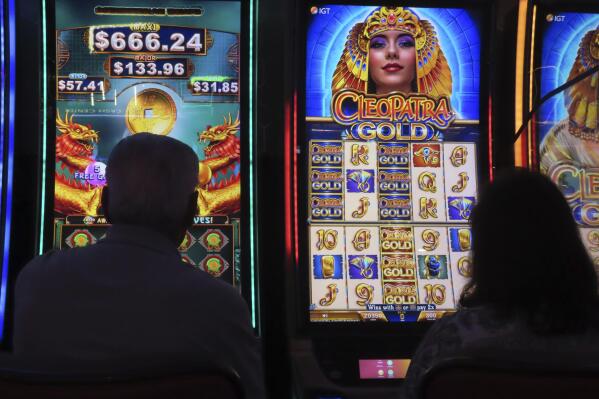
I den moderna eran har digitaliseringen revolutionerat spelande. Internet har gjort det möjligt för människor att spela när som helst och var som helst, vilket har lett till en explosion av online-kasinon och spelplattformar. Mobilspel och appar har ytterligare underlättat tillgången till spel, vilket gör att fler personer kan delta i olika former av spelande.

Trots de många fördelarna med digitalt spelande har också nya utmaningar uppstått, inklusive problem med spelberoende och reglering. Många länder har påbörjat reformer för att skydda spelare och säkerställa rättvisa spelvillkor. Diskussioner kring etik och ansvar i spelbranschen har också blivit allt mer centrala.

Indyrent.org och spelande

Indyrent.org är en plattform som, trots sin fokus på uthyrning av bostäder och lokaler, berör även aspekter av social interaktion och gemenskap som återfinns i spelande. Genom att skapa möjligheter för människor att mötas och utbyta erfarenheter bidrar plattformen till en ökad social dynamik, liknande den som finns inom spelvärlden.

Även om Indyrent.org inte direkt relaterar till spelande, kan man se likheter i hur plattformar skapar trygga miljöer för interaktion. I takt med att spel och sociala plattformar fortsätter att utvecklas, kan vi förvänta oss att se fler kopplingar mellan dessa två världar.

Melhor Casino que Aceita MuchBetter

Nos últimos anos, os métodos de pagamento online têm evoluído significativamente, oferecendo aos jogadores uma variedade de opções para realizar transações em casinos. Entre esses métodos, o MuchBetter se destaca como uma escolha popular entre os apostadores. Este relatório irá explorar qual é o melhor casino que aceita MuchBetter, destacando suas características, benefícios e a experiência do usuário.

MuchBetter é uma carteira eletrônica que permite aos usuários realizar depósitos e saques de forma rápida e segura. Com um sistema de autenticação de dois fatores e um aplicativo fácil de usar, a plataforma se tornou uma opção confiável para muitos jogadores. Um dos principais atrativos do MuchBetter é a sua capacidade de oferecer transações instantâneas, o que é especialmente importante para aqueles que desejam começar a jogar imediatamente após fazer um depósito.

Um dos melhores casinos que aceita MuchBetter é o Betway Casino. Este casino é conhecido por sua vasta gama de jogos, https://7games-bet-brazil.com que incluem slots, jogos de mesa e uma seção de cassino ao vivo. O Betway é licenciado e regulamentado, garantindo que os jogadores tenham uma experiência segura e justa. Além disso, o casino oferece um bônus de boas-vindas atraente para novos jogadores, o que torna a experiência ainda mais interessante.

Ao utilizar o MuchBetter no Betway Casino, os jogadores podem desfrutar de depósitos instantâneos, permitindo que eles comecem a jogar sem demora. O processo de depósito é simples: basta selecionar MuchBetter como método de pagamento, inserir o valor desejado e confirmar a transação pelo aplicativo. Os saques também são rápidos e eficientes, com o dinheiro sendo transferido para a conta do jogador em um curto espaço de tempo.

Outro casino que merece destaque é o 888 Casino. Este é um dos casinos mais respeitados da indústria, oferecendo uma ampla gama de jogos, incluindo slots populares, blackjack, roleta e poker. O 888 Casino também aceita MuchBetter, permitindo que os jogadores façam transações de forma rápida e segura. Os usuários do 888 Casino podem aproveitar uma plataforma de jogo intuitiva, além de promoções regulares e um programa de fidelidade que recompensa jogadores frequentes.

Além do Betway e do 888 Casino, o LeoVegas Casino também é uma excelente opção para quem busca um casino que aceite MuchBetter. O LeoVegas é conhecido por sua interface amigável e uma vasta seleção de jogos de diferentes provedores. A plataforma é otimizada para dispositivos móveis, permitindo que os jogadores joguem em qualquer lugar. O LeoVegas também oferece bônus e promoções atrativas, tornando a experiência de jogo ainda mais agradável.

Em resumo, o MuchBetter é uma excelente opção para aqueles que desejam realizar transações em casinos online. O Betway Casino, o 888 Casino e o LeoVegas Casino são algumas das melhores opções que aceitam esse método de pagamento. Cada um deles oferece uma experiência única, com uma ampla gama de jogos, promoções e um ambiente seguro para os jogadores. Ao escolher um casino que aceita MuchBetter, os jogadores podem garantir uma experiência de jogo fluida e satisfatória, aproveitando ao máximo suas apostas online.

Legal considerations in gambling What you need to know to stay compliant

Legal considerations in gambling What you need to know to stay compliant

Understanding Gambling Laws

The legal landscape of gambling is complex and varies significantly across jurisdictions. In the United States, each state has its own regulations governing various forms of gambling, including sports betting, casino operations, and online gambling. It is crucial for players and operators alike to familiarize themselves with the specific laws in their state to ensure compliance and avoid legal repercussions. For those interested in crypto, exploring bitcoin sports betting sites can provide unique opportunities.

Moreover, federal laws may also come into play, especially when gambling involves interstate commerce or online activities. The Unlawful Internet Gambling Enforcement Act (UIGEA) is one such law that prohibits certain types of online gambling transactions. Understanding these legal frameworks is essential for anyone looking to engage in gambling activities, whether as a participant or an operator.

The Impact of Technology on Gambling Regulations

Technology has dramatically transformed the gambling industry, particularly with the advent of online and mobile betting. These technological advancements have prompted regulators to reconsider existing laws and adapt them to the digital age. Operators must stay informed about the evolving regulations that govern online gambling platforms, especially regarding player protection and responsible gaming initiatives.

As technology continues to advance, issues such as data privacy and cybersecurity have also become paramount in regulatory discussions. Gamblers must be aware of the legal implications surrounding the use of personal data and ensure that any gambling platform they engage with complies with data protection laws.

Licensing and Compliance Requirements

For gambling operators, obtaining the necessary licenses is a critical step in establishing a legitimate business. Different jurisdictions have specific licensing requirements, and failing to secure the appropriate licenses can lead to severe penalties. Operators must also adhere to strict compliance measures, including regular audits and reporting to regulatory bodies.

Failure to comply with these regulations can result in fines, loss of license, or even criminal charges. Therefore, it is essential for operators to implement robust compliance programs that encompass all aspects of their business, from marketing practices to financial transactions.

Player Protections and Responsible Gambling

Player protection is a significant focus of gambling regulations. Many jurisdictions require operators to implement measures that promote responsible gambling, such as self-exclusion programs and limits on deposits or betting amounts. These measures are designed to minimize the risks of gambling addiction and ensure a safer gambling environment for all players.

Additionally, operators must provide clear information about the risks associated with gambling and resources for those who may need help. Staying compliant with these player protection regulations is not only a legal obligation but also a moral responsibility for gambling operators.

Your Guide to Legal Gambling Practices

Staying informed about legal considerations in gambling is essential for both players and operators. Engaging with reputable sources and platforms can provide valuable insights into the regulatory landscape. Whether you are looking for compliance strategies, updates on legislation, or best practices in responsible gambling, it is crucial to leverage reliable information to navigate the complexities of the gambling world.

Our platform offers comprehensive resources to guide you through the legal aspects of gambling, ensuring you stay compliant and informed. By understanding the regulations that govern gambling activities, you can enjoy a safer and more responsible gaming experience.

Mastering advanced techniques for winning at the casino

Mastering advanced techniques for winning at the casino

Understanding Casino Odds

To master advanced techniques for winning at the casino, it is crucial to grasp the concept of casino odds. Each game at a casino has a built-in advantage known as the house edge, which ensures that the casino will always have a slight advantage over the player in the long run. For instance, in games like blackjack or poker, players can use strategic play to minimize the house edge. Understanding these odds helps players make informed decisions about which games to play and how to approach each session. Additionally, you can explore the best online casinos that provide excellent user experiences and game quality.

Moreover, familiarity with the odds of various games allows players to develop strategies that align with their risk tolerance. For example, knowing that slot machines typically have a higher house edge compared to table games can lead players to choose games that offer better odds, thereby increasing their chances of winning. A strategic approach to understanding odds is foundational in executing advanced techniques effectively.

Bankroll Management Strategies

Effective bankroll management is essential for any player aiming to succeed in a casino environment. This involves setting strict limits on how much money you are willing to spend and win during each gaming session. By establishing these parameters, players can avoid the pitfalls of impulsive betting and ensure that they do not exceed their financial boundaries. Advanced players often divide their bankroll into smaller segments, allowing them to extend their playtime and increase the potential for profits.

Additionally, utilizing different betting strategies, such as flat betting or progressive betting systems, can enhance bankroll management. Flat betting involves wagering the same amount consistently, while progressive systems adjust bets based on wins or losses. Both methods can help maintain a stable bankroll and minimize losses while maximizing potential winnings. Mastering these strategies will empower players to make smarter, more calculated decisions at the casino.

Game Selection and Strategy

Choosing the right games and mastering the strategies associated with them is a pivotal aspect of winning at the casino. Each game has its unique set of rules, odds, and strategies, which means that players should invest time in understanding the intricacies of the games they wish to play. For example, mastering basic strategy in blackjack can significantly reduce the house edge and increase the chances of a favorable outcome.

Furthermore, players should pay attention to the variance of the games they select. High variance games might offer bigger payouts but come with higher risks, while low variance games provide more frequent but smaller wins. A well-rounded strategy that incorporates both game selection and specific game strategies can lead to a more successful and enjoyable gaming experience.

Psychology and Discipline in Gambling

The mental aspect of gambling often goes overlooked, yet it plays a critical role in a player’s success. Maintaining emotional control and discipline is key to avoiding impulsive decisions that can lead to significant losses. Recognizing the importance of patience and strategic thinking over emotional reactions can help players stay focused on their goals. Advanced players often develop routines to enhance their mental focus, such as taking breaks or practicing mindfulness techniques.

Additionally, understanding the psychology of gambling, including concepts such as loss aversion and the gambler’s fallacy, can equip players with the tools to make rational decisions rather than falling prey to emotional impulses. By mastering these psychological aspects, players can improve their overall performance and increase their chances of winning.

Explore Expert Resources and Community Insights

To fully master advanced techniques for winning at the casino, tapping into expert resources and community insights can be invaluable. Various platforms offer in-depth analyses, strategic advice, and updated information on casino games. Engaging with fellow players, whether online or in person, can provide fresh perspectives and proven strategies that may not be readily available in books or articles.

Moreover, following reputable gaming websites can keep players informed about the latest trends, tips, and strategies in the casino world. Staying updated on changes in rules, popular games, and player experiences can foster a community of informed players who share a common goal of enhancing their gaming success. With the right resources and a supportive community, mastering advanced techniques becomes not only achievable but also an exciting journey.

L’importance du travail d’équipe dans le succès sportif

L’importance du travail d’équipe dans le succès sportif

La synergie entre les membres de l’équipe

Le travail d’équipe est fondamental dans le domaine sportif car il permet de créer une synergie entre les membres. Chaque joueur apporte ses compétences uniques, ce qui enrichit l’ensemble du groupe. Cette complémentarité est essentielle pour optimiser les performances et atteindre des objectifs communs. Lorsque chaque membre d’une équipe comprend son rôle et sait comment interagir avec les autres, cela crée une dynamique positive qui se traduit souvent par de meilleurs résultats sur le terrain, comme ceux que l’on peut retrouver sur https://turbo-win.casino/.

En outre, le travail collectif favorise également l’esprit de camaraderie et de solidarité. Cette cohésion est cruciale, surtout lors des moments difficiles durant une compétition. Les équipes qui cultivent des relations fortes entre leurs membres sont souvent plus résilientes face aux défis, ce qui leur permet de surmonter des obstacles qui pourraient sembler insurmontables.

La communication : clé du succès

Une communication efficace est l’un des piliers du travail d’équipe dans le sport. Les équipes qui réussissent sont celles qui savent échanger des informations de manière claire et ouverte. Cela inclut la transmission de stratégies, la coordination des actions, mais aussi le soutien émotionnel entre les coéquipiers. Une bonne communication réduit les malentendus et permet une meilleure prise de décision sur le terrain.

De plus, les entraîneurs jouent un rôle crucial dans la facilitation de cette communication. En instaurant un environnement où chacun se sent à l’aise pour s’exprimer, ils contribuent à renforcer la cohésion de l’équipe et à améliorer la performance globale. Les discussions régulières, qu’elles soient formelles ou informelles, sont donc essentielles pour bâtir un esprit d’équipe solide.

Le leadership et l’influence des capitaines

Le leadership au sein d’une équipe sportive est un facteur déterminant du succès collectif. Les capitaines, par leur exemple et leur attitude, influencent souvent l’engagement et la motivation des autres membres. Ils doivent être capables d’inspirer leurs coéquipiers, mais aussi de gérer les conflits et d’encourager chacun à donner le meilleur de soi-même.

Un bon leader sait reconnaître les forces et les faiblesses de chaque membre. Cela lui permet d’assigner des tâches et des responsabilités de manière optimale, renforçant ainsi l’efficacité du groupe. Le leadership ne se limite pas seulement à la performance sur le terrain, mais inclut également la capacité à fédérer et à maintenir l’harmonie au sein de l’équipe.

L’impact du travail d’équipe sur la performance individuelle

Bien que l’accent soit souvent mis sur la performance collective, il est essentiel de reconnaître que le travail d’équipe a également un impact significatif sur la performance individuelle. Lorsque les athlètes évoluent dans un environnement collaboratif, ils ont tendance à se surpasser. Le soutien de leurs coéquipiers peut les aider à développer leurs compétences et à gagner en confiance.

Par ailleurs, les interactions fréquentes entre les membres de l’équipe permettent un échange d’idées et de techniques, favorisant ainsi l’apprentissage et le perfectionnement. Chaque victoire collective devient alors une source d’inspiration pour les performances personnelles de chacun.

Conclusion et référence au site

En somme, le travail d’équipe est essentiel pour garantir le succès dans le sport. Il forge des liens solides, améliore la communication et contribue à l’épanouissement individuel des athlètes. Les équipes qui intègrent ces principes dans leur pratique sont souvent celles qui atteignent les sommets, non seulement par leur talent, mais également grâce à leur capacité à travailler ensemble efficacement.

Pour ceux qui souhaitent explorer davantage le monde du sport et s’engager dans des expériences stimulantes, des plateformes comme TurboWins Casino offrent une diversité d’options, alliant divertissement et passion sportive. Plongez dans cet univers captivant et découvrez comment le travail d’équipe peut aussi se retrouver dans d’autres domaines comme le jeu.

Coronavirus disease 2019

Coronavirus disease 2019

COVID-19 is a contagious disease caused by the coronavirus SARS-CoV-2. In January 2020, the disease spread worldwide, resulting in the COVID-19 pandemic.

The symptoms of COVID‑19 can vary but often include fever,[7] fatigue, cough, breathing difficulties, loss of smell, and loss of taste.[8][9][10] Symptoms may begin one to fourteen days after exposure to the virus. At least a third of people who are infected do not develop noticeable symptoms.[11][12] Of those who develop symptoms noticeable enough to be classified as patients, most (81%) develop mild to moderate symptoms (up to mild pneumonia), while 14% develop severe symptoms (dyspnea, hypoxia, or more than 50% lung involvement on imaging), and 5% develop critical symptoms (respiratory failure, shock, or multiorgan dysfunction).[13] Older people have a higher risk of developing severe symptoms. Some complications result in death. Some people continue to experience a range of effects (long COVID) for months or years after infection, and damage to organs has been observed.[14] Multi-year studies on the long-term effects are ongoing.[15]

COVID‑19 transmission occurs when infectious particles are breathed in or come into contact with the eyes, nose, or mouth. The risk is highest when people are in close proximity, but small airborne particles containing the virus can remain suspended in the air and travel over longer distances, particularly indoors. Transmission can also occur when people touch their eyes, nose, or mouth after touching surfaces or objects that have been contaminated by the virus. People remain contagious for up to 20 days and can spread the virus even if they do not develop symptoms.[16]

Testing methods for COVID-19 to detect the virus’s nucleic acid include real-time reverse transcription polymerase chain reaction (RT‑PCR),[17][18] transcription-mediated amplification,[17][18][19] and reverse transcription loop-mediated isothermal amplification (RT‑LAMP)[17][18] from a nasopharyngeal swab.[20]

Several COVID-19 vaccines have been approved and distributed in various countries, many of which have initiated mass vaccination campaigns. Other preventive measures include physical or social distancing, quarantining, ventilation of indoor spaces, use of face masks or coverings in public, covering coughs and sneezes, hand washing, and keeping unwashed hands away from the face. While drugs have been developed to inhibit the virus, the primary treatment is still symptomatic, managing the disease through supportive care, isolation, and experimental measures.